

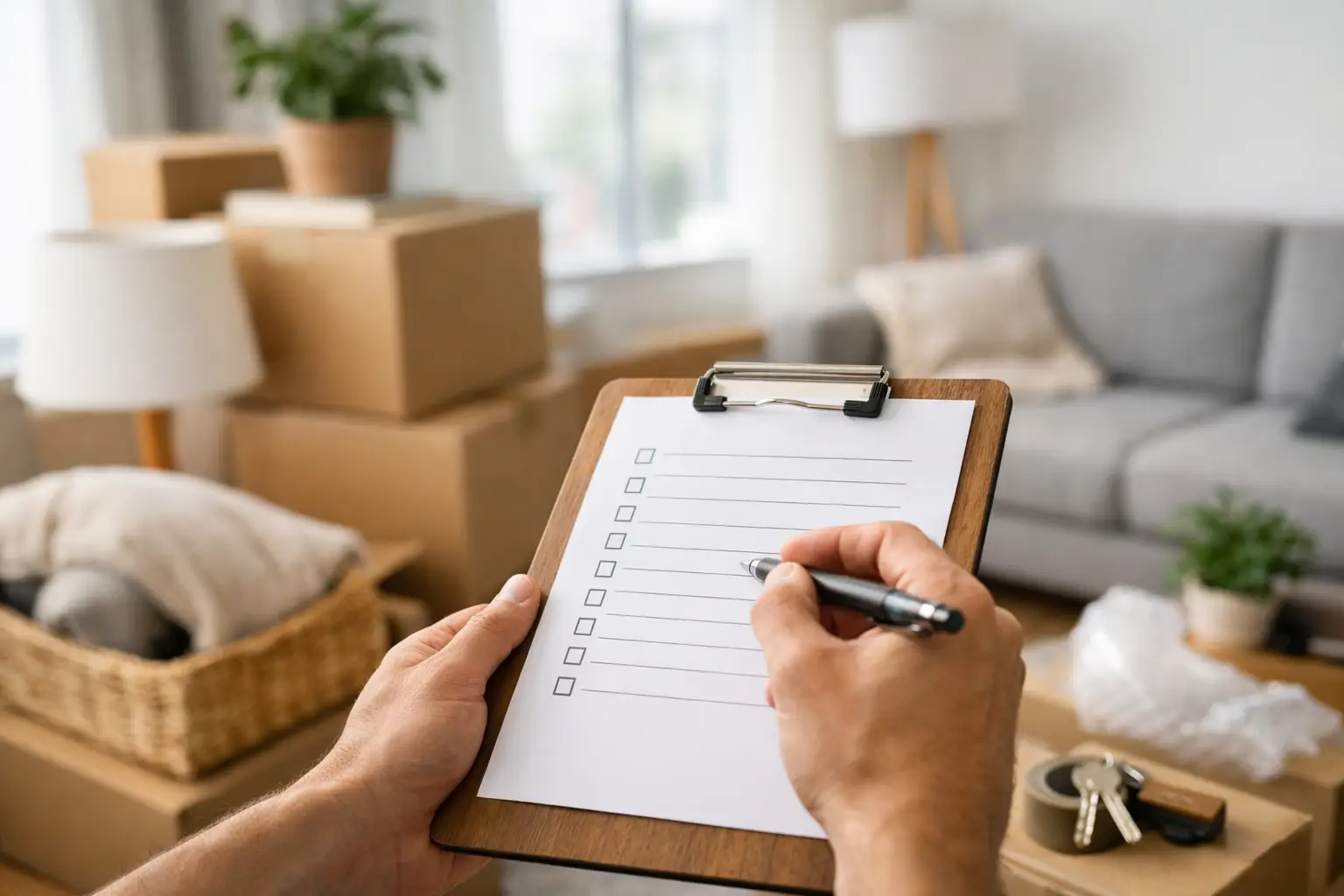
The first night in a new apartment usually tells you everything. If you cannot find your phone charger, the shower curtain is still in a taped box, and the bed frame is leaning against the wall in five pieces, the move is not really over – it just changed shape.
A good moving in checklist for new apartment life should do more than remind you to bring boxes inside. It should help you protect your deposit, get comfortable quickly, and avoid the small problems that turn move-in day into a week of frustration. For busy renters in Austin and Central Texas, that usually means having a clear plan for what happens before the truck arrives, what needs attention on day one, and what can wait until the dust settles.
A moving in checklist for new apartment success starts before move-in day
The smoothest moves are usually decided before the first box gets lifted. If your lease start date, elevator reservation, parking access, and utility activation are not lined up, you can lose hours before you even unlock the door.
Start by confirming the basics with your apartment office. Ask when you can access the unit, whether there are loading dock rules, and if there are time windows for move-ins. Some buildings are flexible, while others are strict about elevators, insurance requirements, and parking for moving vehicles. It depends on the property, so do not assume your last apartment’s process applies here.
You should also verify that electricity, water, internet, and any required renter setup steps are active before move-in day. Internet is the one many people leave too late, especially if they work from home. If the apartment is technically livable but not functional for your daily routine, you will feel it right away.
At this stage, it also helps to separate your belongings into three groups: essential first-night items, rooms that need immediate setup, and everything else. That one decision makes unloading faster and keeps you from opening ten random boxes just to find toothpaste or a fitted sheet.
What to inspect when you first enter the apartment
Before furniture starts covering walls and boxes fill every corner, take ten minutes to inspect the unit carefully. This matters for comfort, but it also matters for documentation. If there is wall damage, scratched flooring, chipped counters, or appliance wear, you want a timestamped record before your belongings are inside.
Walk through with your phone and take clear photos and short videos of every room. Focus on floors, baseboards, doors, inside cabinets, windows, blinds, appliances, and bathroom fixtures. Test the locks, light switches, outlets, smoke detectors, and air conditioning. In Central Texas, HVAC performance is not a small detail. If the air is not cooling properly, that needs attention fast.
This is also the moment to check for anything that affects safety or move-in flow. If a closet door is off track or a stairwell makes carrying large furniture risky, it is better to know before unloading the heaviest items. A quick inspection can prevent property damage and save a lot of back-and-forth later.
Your first-day apartment checklist should focus on function
A lot of renters try to fully unpack on day one and end up exhausted, surrounded by half-open boxes. A better approach is to make the apartment functional first. Comfort beats completion.
Start with the bedroom, bathroom, and kitchen. If your bed is assembled, your bathroom is stocked, and your kitchen basics are reachable, the apartment already feels manageable. That means building the bed frame, setting up at least one nightstand or charging spot, hanging a shower curtain, unpacking towels, and getting basic cookware, paper goods, and cleaning supplies in place.
Furniture assembly is often where the timeline slips. Flat-pack instructions look simple until you are trying to build a desk at 9:30 p.m. after carrying boxes all day. The same goes for TV mounting. Many renters plan to “do it later,” then leave expensive electronics on the floor for days because they do not want to risk wall damage or a bad install. If you know those setup tasks will slow you down, handing them off can make the whole move feel much more stress-free.
The rooms that deserve priority first
Not every room needs equal attention right away. Most new apartments become livable much faster when you prioritize based on daily use instead of visual perfection.
The bedroom comes first because sleep affects everything else. If your mattress is on the floor for one night, that is one thing. If the entire room stays in pieces for a week, the move keeps dragging on mentally.
The bathroom is next because it is hard to function without it fully stocked and usable. Make sure toilet paper, hand soap, bath towels, toiletries, and any medications are easy to access. If there are storage shelves or over-the-toilet units to assemble, those can wait a day unless the space is unusually tight.
Then focus on the kitchen. You do not need every utensil organized immediately, but you do need enough to make coffee, drink water, and handle a simple meal. For many renters, that small setup lowers the urge to overspend on takeout all week.
The living room and home office matter too, especially if you work remotely. But these spaces have more flexibility. A sofa can wait. A properly assembled desk and safely mounted TV may not, depending on your routine.
Essentials people forget on a moving in checklist for new apartment life
The missing items are rarely the big-ticket ones. Most people remember the mattress and forget the pieces that make the apartment run smoothly.
The most commonly overlooked items are the practical ones: trash bags, paper towels, toilet paper, a box cutter, a shower curtain liner, basic cleaning supplies, extension cords, charging cables, and light bulbs. If your apartment uses odd fixture sizes or has limited overhead lighting, bulbs can become an immediate issue.
Another easy miss is measuring before move-in. A couch that technically fits in the apartment but not through the stairwell is a different problem entirely. If you are bringing oversized furniture, measure doorways, elevators, and hallways in advance. It is a small step that can prevent scratches, damaged frames, and painful last-minute changes.
You should also think about wall rules before hanging anything. Some apartments are relaxed. Others are strict about anchors, stud placement, or patching requirements. That is especially relevant for TVs, shelving, and heavier decor. A secure install matters for safety, but it also helps protect the walls you are responsible for.
When to DIY and when to get help
Some move-in tasks are easy wins for DIY. Unpacking linens, organizing the pantry, and setting up basic bathroom supplies are straightforward. If you enjoy getting your space in order, those jobs can help the apartment feel like home quickly.
But there is a real trade-off with more physical or technical tasks. Moving heavy furniture, assembling large pieces correctly, and mounting TVs or ceiling fixtures take more time, tools, and precision than people expect. DIY can save money upfront, but it can cost more if furniture gets damaged, walls need repair, or the install is not secure.
That is why many renters prefer a one-call solution for the toughest parts of move-in. If you already know your day will include tight staircases, time limits, or a lot of assembly, booking experienced help can keep the process predictable. For Austin-area renters who want a faster setup with less risk, Smart Solutions TX can help with moving labor, furniture assembly, and secure TV mounting through https://smartsolutions-tx.com/.
How to make the second day feel easier than the first
Once the essentials are handled, use day two to reduce visual clutter and improve flow. Break down boxes as you empty them. Group similar items before putting them away. If a room is not fully ready, at least make it easy to walk through and easy to clean.
This is also a good time to adjust what is not working. Maybe the dresser makes the bedroom feel cramped, or the TV placement looks good but leaves no room for cords. A new apartment always takes a little fine-tuning. The goal is not perfection in 24 hours. It is getting to a place where your routine works without constant workarounds.
If you have kids, pets, or a demanding work schedule, that matters even more. A move can feel emotionally noisy long after the boxes arrive. The faster you can make the apartment safe, functional, and organized, the faster it starts feeling like your place instead of a project.
A helpful checklist does not just keep you organized. It protects your time, your belongings, and your peace of mind. And when you plan around function first, your new apartment starts working for you a lot sooner.