

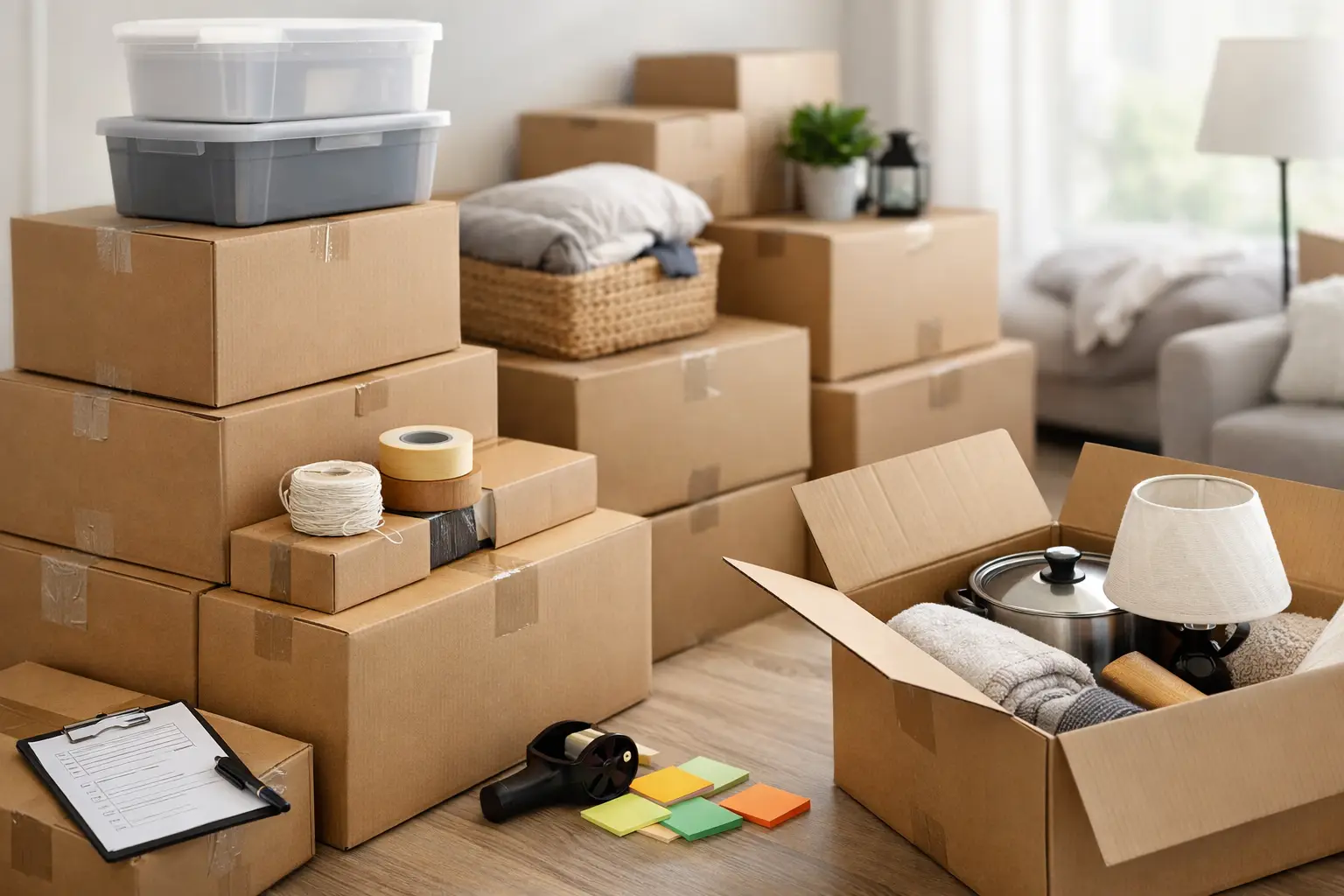
The box marked “miscellaneous” is usually where moving-day stress begins. It may hold a phone charger, a coffee mug, a screwdriver, and the one document you need tomorrow. Knowing how to organize moving boxes is less about creating a picture-perfect packing system and more about making every item easy to find, safe to carry, and ready for the right room when you arrive.
For busy Austin-area households, a little structure before the truck arrives can prevent hours of searching after it leaves. Use a system that works in a real home with real deadlines, not one that requires an entire weekend of color-coded spreadsheets.
Start by assigning every box a room and a purpose
The simplest rule is this: pack by destination, not by where an item happens to be sitting. A kitchen drawer may contain batteries, mail, and a tape measure, but those items do not necessarily belong together in the new house. Before you fill a box, decide where its contents will live after the move.
Write the destination room clearly on at least two sides of every box. “Kitchen” is helpful, but “Kitchen – everyday dishes” is much better. When boxes come off a truck or move through a busy hallway, labels need to be visible from more than one angle.
Then add a short description of what is inside. Avoid vague labels such as “stuff,” “random,” or “bedroom.” A useful label tells you what you will need without opening the box: “Primary bedroom – bedside table items,” “Office – files and printer supplies,” or “Bathroom – towels and shower items.”
If several rooms have similar names, make them distinct. “Kids’ room,” “guest room,” and “primary bedroom” are easier to direct than several boxes marked only “bedroom.” This small detail helps movers place boxes correctly the first time and gives you a cleaner start in your new space.
Use a label system you can read at a glance
A good moving-box system should be easy for anyone helping with the move to understand. Use a thick dark marker for the essential details, then add colored tape or colored labels for a visual shortcut. For example, blue could mean kitchen, green could mean living room, yellow could mean primary bedroom, and red could identify boxes that need immediate attention.
Color is useful, but do not depend on color alone. Tape can tear, labels can be covered by stretch wrap, and not everyone sees colors the same way. Always pair it with large written room names.
Add one handling note when needed: “Fragile,” “This Side Up,” “Heavy,” or “Do Not Stack.” Keep these notes honest. If every box says fragile, the warning loses its value. Reserve it for glassware, electronics, lamps, artwork, and other items that truly need extra care.
For boxes that contain small parts, write that on the outside. A label like “TV stand – hardware inside” or “Desk – screws taped to inner flap” can save a major headache during furniture assembly. Better yet, seal hardware in a labeled bag and tape it securely inside the box rather than leaving it loose.
Keep a simple box inventory for high-priority items
You do not need to catalogue every spoon or sock. An inventory is most helpful for valuable, hard-to-replace, or time-sensitive belongings. Give those boxes numbers, such as “Kitchen 1 of 6” or “Office 3 of 4,” and keep a short note in your phone listing what is inside.
This is especially helpful for documents, jewelry, family photos, computer equipment, and specialty items. If a box is missing at the end of the day, you will know what to look for instead of opening everything in a panic.
Pack by weight, not just by room
Organizing moving boxes also means organizing the weight inside them. A box can be labeled perfectly and still be difficult or unsafe to move if it is overloaded. Books, canned goods, tools, and dishes belong in small, sturdy boxes. Softer, lighter items such as linens, pillows, toys, and clothing can go in larger boxes.
A practical test is whether one adult can lift the box close to their body without straining or shifting their grip. If it feels too heavy before you tape it closed, divide the contents. Adding a few towels or dish towels around heavier items can protect them while using space that might otherwise go to waste.
Do not leave empty space at the top of a box. Items that slide around are more likely to break, and boxes with hollow gaps can collapse when stacked. Fill open areas with packing paper, towels, or clothing, then close the flaps flat. A box that bulges or will not close is asking for trouble during loading.
Create an open-first category before you pack
Not every box deserves equal priority on move-in day. Before packing the rest of the house, set aside the items you will need during the first 24 to 48 hours. This is your open-first category, and it should travel with you when possible.
Include essentials such as medications, identification, chargers, keys, toiletries, basic cleaning supplies, a change of clothes, pet supplies, and items your children need for bedtime. If you are moving with a baby, include enough diapers, formula, bottles, and comfort items to get through a delay without stress.
You may also want a first-night kitchen box with paper towels, disposable plates, coffee supplies, snacks, a can opener, and a few basic utensils. The exact contents depend on your household. A family with young children may prioritize bedtime routines, while a remote worker may need a laptop setup ready the next morning.
Label these boxes “Open First” in large letters and keep them separate from general household boxes. Do not bury them in the truck under furniture or seasonal storage.
Prepare boxes for faster unloading
A smooth unloading plan starts before anything is loaded. Group finished boxes by room near the exit, leaving a clear walking path. Keep fragile boxes together and make sure their labels face outward. If possible, place heavier boxes on the bottom of each room group and lighter boxes on top.
Before move day, decide where each room’s boxes will go in the new home. It helps to place a paper room sign on the door or wall of each destination space. That way, helpers can move boxes directly where they belong instead of asking you to make dozens of decisions while furniture is coming through the door.
There is one trade-off: placing every box in its final room can make rooms feel crowded before furniture is assembled. For small apartments or homes with tight spaces, designate one staging area for low-priority boxes such as decor, books, and off-season clothing. Keep the kitchen, bathrooms, bedrooms, and work area clear enough to become functional first.
Protect fragile and high-value boxes from confusion
Fragile items need more than a “Fragile” label. Pack plates vertically with paper between them, wrap glass individually, and use sturdy boxes that are not oversized. Place heavier breakables at the bottom and fill gaps so contents cannot move.
For electronics, take a quick photo of cable connections before unplugging anything. Put cords, remotes, and mounting hardware in labeled bags, then keep those bags with the matching item. Original packaging is useful when you have it, but a properly padded moving box works well for most electronics.
Televisions deserve special care. Keep them upright, avoid placing anything on the screen, and use the manufacturer’s box if available. If you are planning a wall-mounted setup in the new home, keep the TV, hardware, and remote together so installation is not delayed by a missing piece.
Make unpacking feel manageable, not endless
Once you arrive, resist the urge to open every box. Start with your open-first items, then focus on the rooms that support daily life: bathrooms, beds, kitchen basics, and any workspace you need right away. Opening boxes in a planned order keeps the home usable even while the move is still in progress.
Break down empty boxes as you go, but save a few clean ones until the move is fully settled. They are useful for returns, donations, and items that no longer fit the new space. If a box has stayed unopened for several weeks and does not contain seasonal belongings, consider whether you truly need what is inside.
When the job includes heavy lifting, careful loading, furniture assembly, or TV mounting, having dependable help can protect both your belongings and your schedule. Smart Solutions TX provides hands-on moving and home setup support so you can spend less time managing logistics and more time getting comfortable in your new home.
A well-labeled box does more than hold possessions. It gives you one less decision to make when the day is busy, the rooms are full, and you simply want your home to feel like home again.