

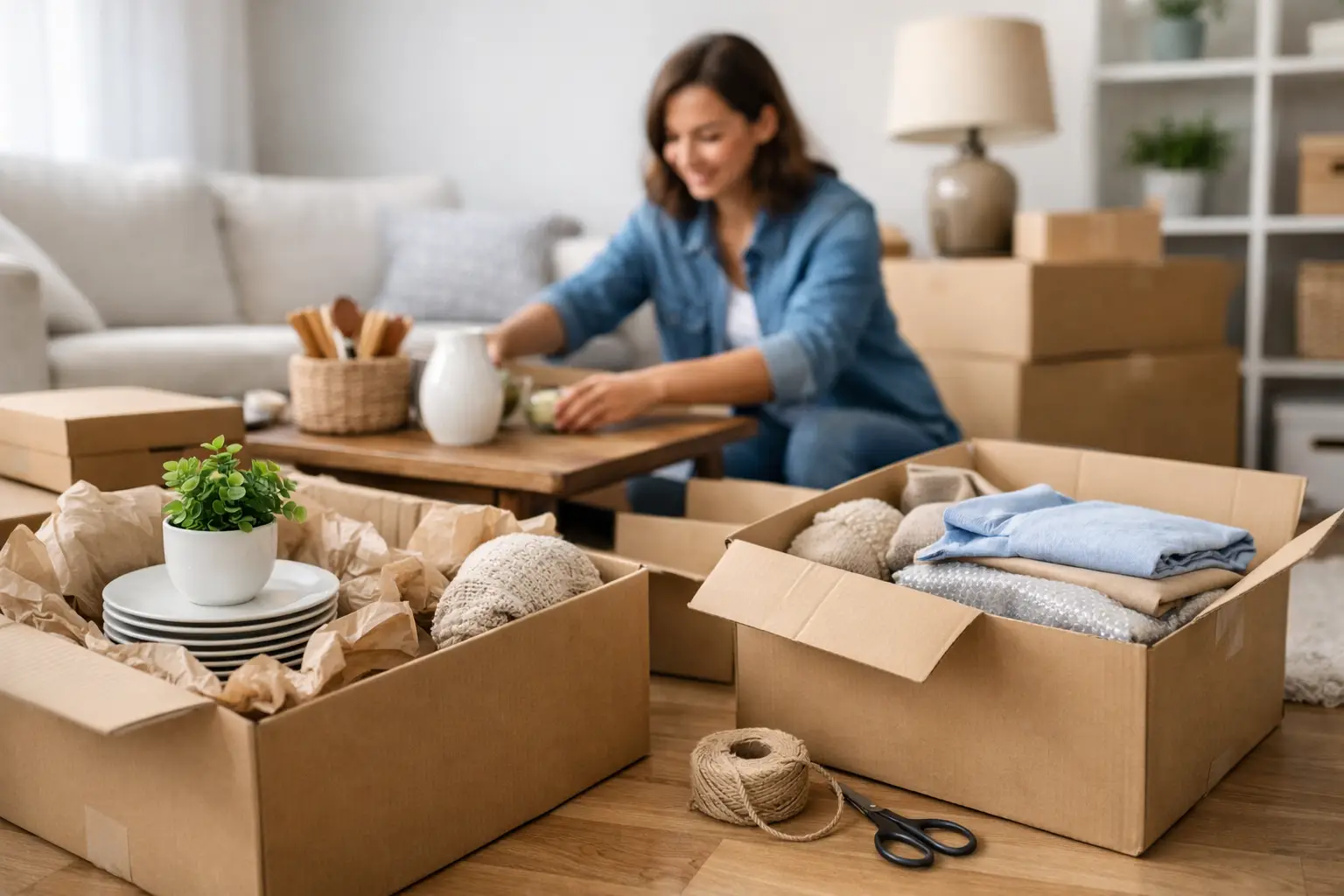
The truck is gone, the boxes are stacked, and somehow your toothbrush is in the same box as a lamp cord and three picture frames. That moment is exactly why so many people ask how to unpack after moving without turning the first week into a second job. The good news is that unpacking does not need to happen all at once. With the right order, your home can feel functional fast, even if every box is not empty on day one.
How to unpack after moving in the right order
The biggest mistake people make is treating every room like it has the same priority. It does not. A fully styled guest room can wait. Clean sheets, working bathrooms, and a usable kitchen cannot.
Start with the spaces that support daily life right away. For most households, that means bathrooms first, then bedrooms, then the kitchen. After that, focus on the living room or home office, depending on how your family actually uses the space. If you work from home, your desk setup may matter more than decorative items in the main living area.
This order works because it gives you quick wins. You do not need the whole house finished to feel settled. You need a shower without hunting for towels, a bed that is assembled and made, and enough kitchen basics to prepare coffee and a simple meal.
Before opening random boxes, take ten minutes to do a basic walkthrough. Put each box in the room where it belongs. If boxes are still piled in the wrong places, unpacking slows down immediately. A little sorting at the start saves a lot of backtracking later.
Set up function before you organize everything
A common unpacking trap is trying to make every drawer and cabinet perfect on day one. That sounds productive, but it usually creates fatigue fast. A better approach is to set up each room so it works first, then fine-tune the organization after you have lived in the space for a few days.
In the kitchen, unpack plates, cups, utensils, a pan, a pot, and whatever small appliances you use every morning. You can decide later whether the baking dishes belong in the lower cabinet or the pantry shelf. In the bedroom, make the bed, set up a lamp, and unpack the clothes you need this week. In the bathroom, place toiletries, toilet paper, medications, and fresh towels where they are easy to reach.
This matters even more if you are moving with kids. Children settle faster when the basics are in place – beds, favorite blankets, bath items, and a few familiar toys or books. The same goes for pets. Food, water, bedding, and a predictable corner of the home should be ready early.
Unpack the large items before the small ones
Furniture changes how the whole house works. If bed frames, dressers, desks, shelving, and tables are not assembled and in place, smaller items do not really have a home yet. That is why it makes sense to handle the big pieces first.
Get the beds built before bedtime. Put the dining table or kitchen table together if that is where mail, meals, and laptops will land. If your entertainment area matters to your routine, set up the media console before sorting electronics and accessories. If you have a home office, assemble the desk and chair before trying to organize cables, files, or supplies.
There is a trade-off here. Some people want to unpack boxes first because it feels like visual progress. But if the furniture is not ready, those unpacked items often end up in temporary piles. That means you are touching the same things two or three times.
If you would rather skip the heavy lifting, this is one of the moments when professional help makes the move-in process much easier. Instead of spending a full weekend wrestling with furniture parts and instruction booklets, you can focus on getting your household comfortable and functional.
How to unpack after moving without making a bigger mess
Unpacking creates clutter before it creates order. That part is normal. What keeps it from getting out of control is dealing with packing waste as you go.
Break down empty boxes right away instead of letting them pile up in hallways. Keep one trash bag for wrapping paper, tape, and bubble wrap, and another spot for items you realize you do not want anymore. If you wait until the end to handle debris, the house starts to feel crowded and unfinished even when you have made solid progress.
It also helps to work in zones. Finish one surface, one cabinet, or one corner before moving to the next. If you bounce between five rooms at once, you end the day with partial progress everywhere and comfort nowhere.
For families or couples unpacking together, assign by room or task. One person can focus on kitchen essentials while the other handles bedrooms. If everyone opens boxes wherever they happen to be standing, items get misplaced fast.
Give yourself a realistic timeline
Most people underestimate how long unpacking takes, especially after the physical and mental drain of the move itself. If you expect the entire house to be complete in a day, you will probably feel behind even when you are doing fine.
A more realistic goal is to make the home livable on day one, comfortable within a few days, and fully settled over the next couple of weeks. That window may be shorter if you moved from a smaller apartment into a similar-sized place. It may be longer if you are managing a larger home, young children, or a work schedule that does not leave much free time.
The key is to match the plan to your actual life. A busy professional may need a highly functional bedroom, bathroom, and office right away, with the garage and décor delayed until the weekend. A family might prioritize the kitchen and kids’ rooms first. There is no prize for unpacking everything fastest if the process leaves you exhausted.
Know when to stop DIY and get help
Not every unpacking task is worth doing yourself. Some jobs take more time than expected, and others carry more risk than people realize. Wall mounting a TV, for example, is not just a final touch. It involves placement, stud location, secure fastening, cable planning, and protecting the wall finish. Furniture assembly can be just as frustrating, especially with larger items like bunk beds, entertainment centers, and storage systems.
This is where a one-call partner can make moving feel much more manageable. If you already have boxes to empty, groceries to buy, utilities to sort out, and a household to get back on schedule, outsourcing the technical or labor-heavy parts can save real time and stress. Smart Solutions TX helps Austin and Central Texas homeowners and renters with moving labor, furniture assembly, and secure TV mounting, which means your space can come together faster without the usual guesswork.
For many people, convenience is not about avoiding effort completely. It is about spending energy where it matters most and handing off the tasks that create delays, damage, or frustration.
What to leave packed a little longer
You do not need to unpack everything immediately. Seasonal decorations, rarely used kitchen gadgets, extra linens, memorabilia, and books you will not read this month can wait. If a box does not support daily living, it does not belong in your first wave.
This approach also gives you a chance to edit as you go. After a move, people often notice what they actually use. If a box stays sealed for weeks and you have not missed anything inside, that tells you something. You may decide to store those items properly, donate them, or keep them out of prime living space.
That said, do not confuse intentional delay with avoidance. A few lower-priority boxes are fine. Fifty mystery boxes in the garage usually mean the move never really ended.
Make the new place feel like home faster
Once the essentials are handled, focus on the touches that make the home feel settled. Put out the coffee maker. Hang the bathroom towels where they belong. Set up bedside lighting. Plug in the living room lamp you always use at night. These are small things, but they shift a space from temporary to lived in.
If you have artwork, curtains, or a few favorite decorative pieces, choose a handful instead of trying to style the whole home in one shot. The goal is not perfection. It is comfort, routine, and a house that supports your day without extra effort.
Moving is disruptive even when everything goes smoothly. If you keep your unpacking plan simple, prioritize function over perfection, and get help where it counts, the boxes stop feeling like a problem and start feeling like progress. Give yourself permission to set up your home in stages – the right first steps make the whole place feel easier, faster, and far more stress-free.