

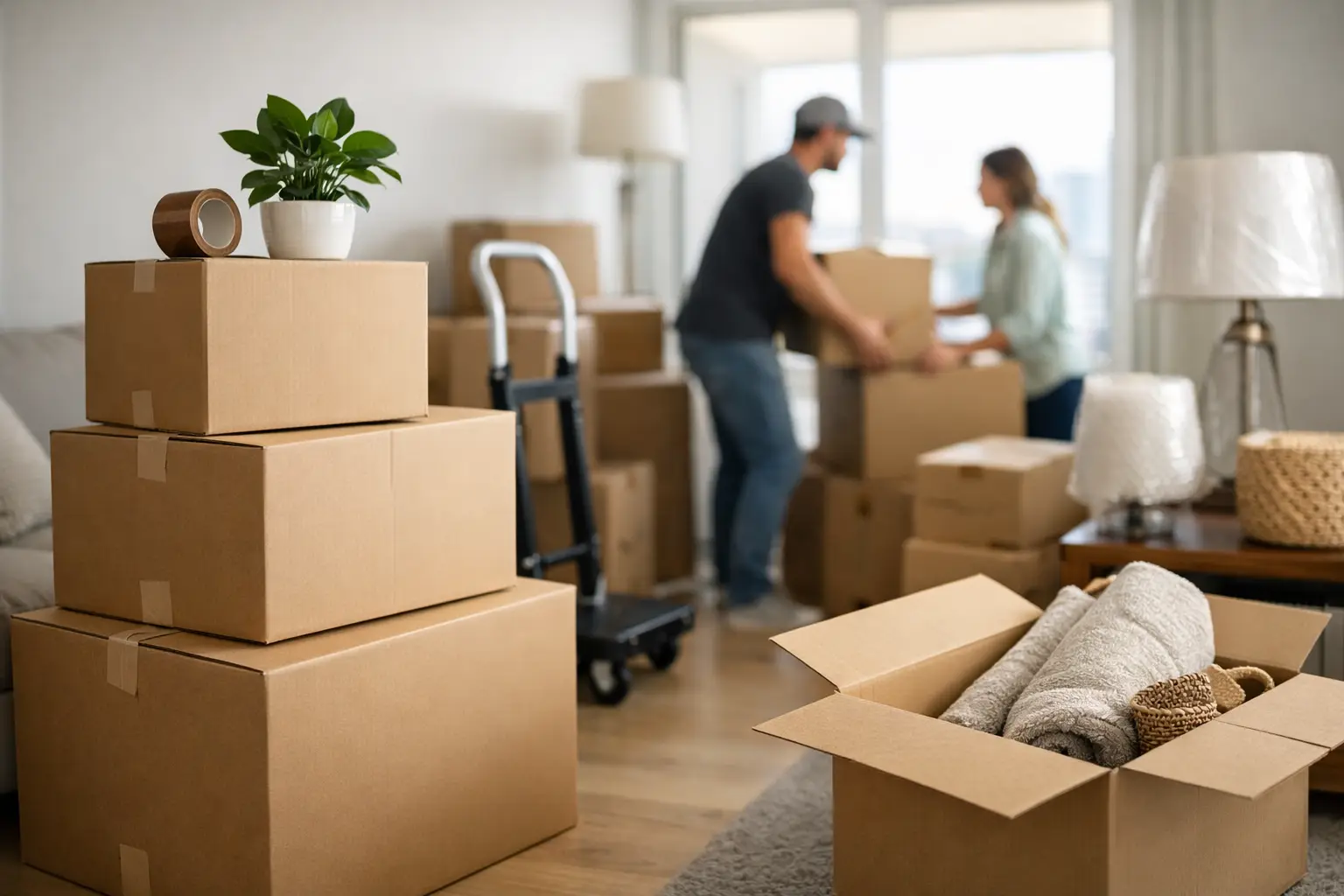
Apartment moves usually look simple until packing day hits. One bedroom, a few closets, maybe a small storage area – then suddenly you are surrounded by dishes, shoes, cords, books, and oddly shaped kitchen gear. Choosing the best boxes for apartment move plans is less about buying the biggest stack you can find and more about matching the right box to the right item so your move stays organized, protected, and stress-free.
If you have ever had a box split in the parking lot or realized your “miscellaneous” carton somehow weighs more than a washing machine, you already know the problem. The right boxes save time, reduce damage, and make loading and unloading much easier, especially when you are dealing with stairs, elevators, tight hallways, or limited parking.
What makes the best boxes for apartment move packing
The best moving boxes for apartments are sturdy, easy to carry, and sized for the kind of items people actually keep in apartments. That usually means more medium boxes than extra-large ones, plus a few specialty boxes for fragile or awkward items.
In apartment moves, space is tight on both ends. You may be packing in a small living room and unloading into a narrow entryway. Oversized boxes can seem efficient, but they become hard to stack, harder to lift, and more likely to get overloaded. That is why dependable, standard-size boxes usually beat giant cartons.
Durability matters too. Single-wall boxes can work for light items if they are new and in good shape, but heavier belongings need stronger cardboard. If you are moving books, dishes, tools, or electronics, box strength is not the place to cut corners.
The core box sizes most apartment movers need
For most studio, one-bedroom, and two-bedroom apartment moves, a mix of small, medium, and large boxes works better than buying one size in bulk.
Small boxes
Small boxes are the workhorses for heavy items. Use them for books, canned goods, hand tools, cleaning supplies, and pantry items. They fill up quickly, which is exactly the point. A small box keeps weight manageable and reduces the chance of the bottom giving out.
If you are tempted to put all your books into one large box, do not. That box may survive for about six steps.
Medium boxes
Medium boxes are usually the best all-purpose option for apartment moves. They work well for kitchen items, folded clothes, decor, toys, office supplies, and bathroom storage. If you are trying to estimate what to buy, medium boxes are often the safest place to start because they fit the widest range of belongings without getting too heavy.
For many renters, these are the best boxes for apartment move day simply because they balance capacity and control.
Large boxes
Large boxes are useful, but only for lighter items. Think bedding, pillows, lampshades, coats, and bulkier but low-weight belongings. When used correctly, they help reduce the total box count. When used incorrectly, they become overloaded and awkward fast.
A good rule is simple: if it is dense, use a smaller box. If it is fluffy, a large box is fine.
Specialty boxes that are actually worth it
Not every specialty box is necessary, but a few can make apartment packing much easier.
Dish packs
Dish packs have thicker cardboard and are designed for fragile kitchen items. If you own real glassware, ceramic bowls, or serving pieces you want to keep intact, these are worth considering. Apartment kitchens often contain a surprising amount of breakable inventory packed into small cabinets, so protecting those items upfront saves frustration later.
Wardrobe boxes
Wardrobe boxes are helpful if you have work clothes, dresses, coats, or anything you would rather not fold. They are not essential for every move, especially if you are on a tight budget, but they can speed up packing and unpacking. For short local moves, some people skip them and use garment bags or keep clothes on hangers in their car. That can work – it just depends on how much hanging clothing you own.
Picture and mirror boxes
If your apartment has framed art, mirrors, or mounted decor, adjustable picture boxes provide better protection than trying to improvise with oversized cartons and extra tape. These pieces are easy to crack during stair carries and truck loading, so a fitted box gives you a better margin for error.
TV boxes
Flat-screen TVs are one of the most commonly damaged items in a move. If you saved the original packaging, that is often your best option. If not, a TV box with foam protection is a smart backup. This matters even more in apartment moves where screens may need to turn corners in tight stairwells or elevators.
New boxes vs. free used boxes
Used boxes can save money, but there is a trade-off. Grocery store boxes, liquor boxes, and recycled delivery cartons may be fine for light, non-breakable items, but they are less predictable in size and strength. They can also slow down stacking in a truck or storage unit because nothing fits together cleanly.
New boxes cost more, but they are easier to label, easier to stack, and generally safer for valuables. If your move includes fragile items, electronics, or anything going into temporary storage, new boxes are usually the more reliable choice.
A practical middle ground is to use new boxes for heavy or fragile belongings and save used boxes for linens, shoes, and other low-risk items.
How many boxes does an apartment move usually take?
This depends on how long you have lived there and how much storage you have managed to fill, but rough estimates can help.
A studio apartment may need around 15 to 25 boxes. A one-bedroom often lands in the 25 to 40 range. A two-bedroom apartment can easily take 40 to 60 or more, especially if you have kids, a home office, or a lot of kitchenware.
The mistake most people make is underestimating small-item clutter. Drawers, bathroom cabinets, laundry shelves, and random closet bins add up fast. Buying a few extra boxes is much better than scrambling for leftovers the night before your move.
What to avoid when choosing boxes
The wrong box setup creates more work than it saves. Boxes that are too large for heavy items lead to strain and breakage. Weak recycled boxes can collapse at the bottom. Open-top bins and mismatched containers may seem convenient, but they stack poorly and can shift during transport.
It is also worth avoiding the habit of mixing rooms too heavily. A box packed with kitchen tools, bathroom products, office cables, and closet accessories becomes harder to unpack and easier to lose track of. Clear labeling matters just as much as box quality.
A smart packing approach for apartment movers
Good packing is not just about what you buy. It is about how you use it. Keep weight consistent, tape the bottom of every box well, and fill empty space so items do not shift. Label each box by room and a simple category such as “kitchen – plates” or “bedroom – winter clothes.” That small step saves a lot of time at delivery.
For apartment buildings, it also helps to think about movement logistics. If you know you have stairs, use more small and medium boxes than large ones. If you are reserving an elevator, consistent box sizes help movers or helpers load it faster. If parking is far from the entrance, lighter loads matter even more.
This is where planning pays off. The best boxes are the ones that support the path your belongings have to travel, not just the shelves they sit on before the move.
When professional help makes the biggest difference
Even with the right boxes, apartment moves can get complicated fast. Tight corners, narrow stairs, limited loading zones, and time restrictions from property managers can turn a straightforward move into a long day. Packing well gives you a head start, but loading and unloading still require care.
That is why many renters choose support for the hands-on parts of the move. A dependable moving team can keep boxes organized, protect furniture, and reduce the risk of damage to both your belongings and your building. For busy households in Austin and Central Texas, Smart Solutions TX is built around that kind of stress-free help, with reliable service that keeps your move moving.
So what are the best boxes to buy?
For most apartment moves, the best setup is simple: plenty of medium boxes, a smaller number of small boxes for dense items, a few large boxes for light belongings, and specialty boxes only where they solve a real problem. That mix gives you control without overcomplicating the process.
You do not need fancy packing systems or a garage full of supplies. You need boxes that hold up, fit your items properly, and make the trip from old apartment to new one easier on your back and your schedule.
If packing feels bigger than expected, that is normal. Apartment moves have a way of hiding the true volume until everything comes out of cabinets and closets. Start with the right box sizes, keep your packing simple, and give yourself enough margin so moving day feels manageable instead of rushed.