

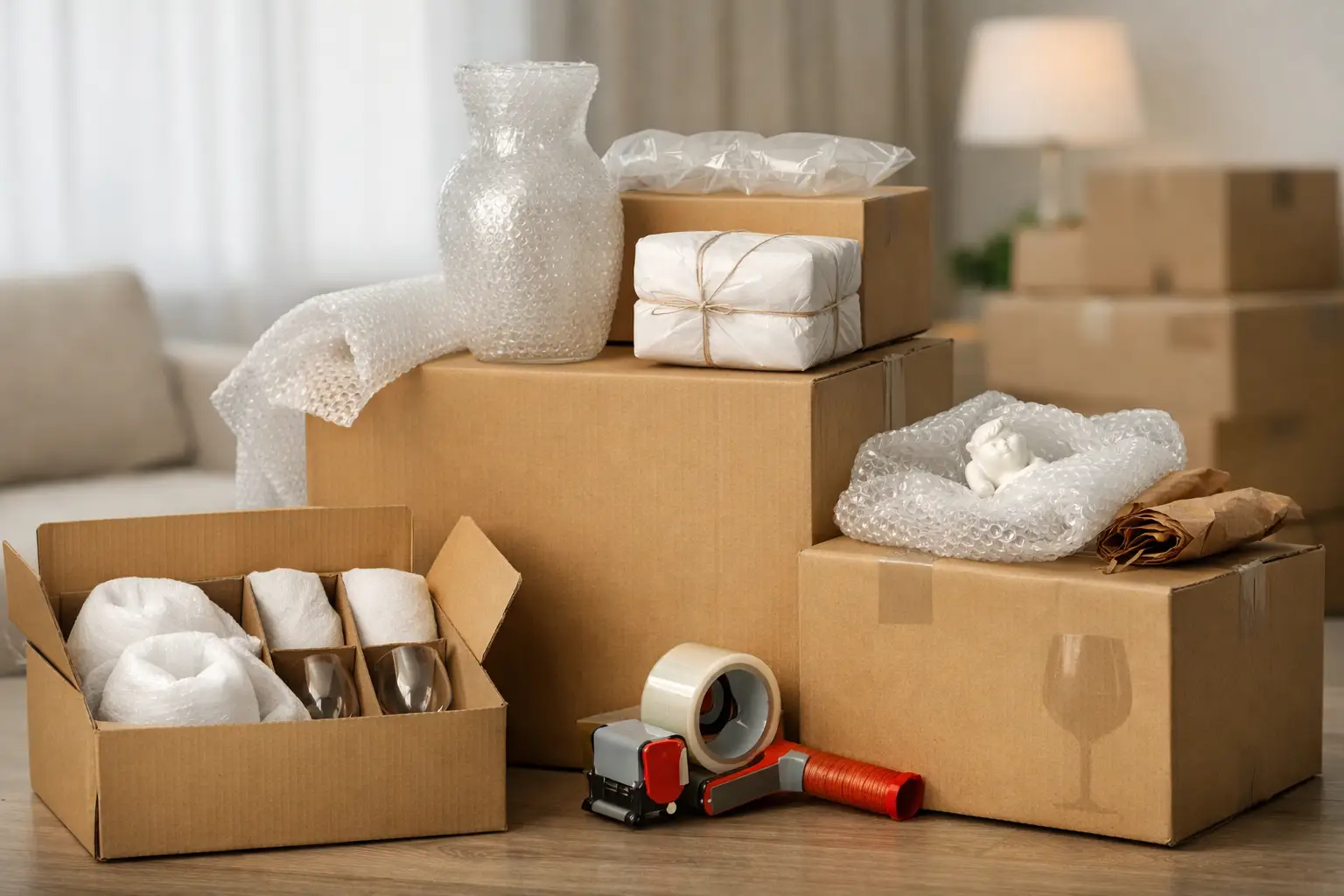
A chipped wineglass or cracked TV screen can turn move-in day into an expensive problem fast. Choosing the best boxes for fragile moving gives your most valuable belongings the protection they need before they ever reach the truck. The goal is not simply to fill a box. It is to create a secure, cushioned space where items cannot shift, collide, or carry too much weight.
For busy Austin-area homeowners, renters, and families, the right supplies make packing feel far more manageable. A few box choices, used the right way, can reduce breakage and give you greater confidence during every stage of the move.
Best Boxes for Fragile Moving: Match the Box to the Item
The safest moving box is the one designed for the item inside it. A large, general-purpose box may seem convenient, but it often creates room for fragile belongings to slide around. It can also become too heavy to lift safely when packed with glass, books, or dishes.
Use new or like-new corrugated boxes whenever possible. Older boxes can lose strength at the seams, especially after they have been stored in a garage, exposed to humidity, or previously loaded with heavy items. When a box feels soft, creased, or bowed, it is not the place for your heirloom dishes.
Here are the box types that make the biggest difference for delicate household items:
- Small heavy-duty boxes are a smart choice for books, framed photos, small lamps, and compact decor. Their smaller size helps prevent overpacking and keeps weight manageable.
- Dish pack boxes have thicker, double-wall construction. They are built for plates, bowls, glasses, stemware, and other kitchen breakables that need extra support.
- Cell boxes or divider inserts keep glasses, mugs, bottles, and collectibles separated. Each item gets its own compartment, which limits contact during loading and transport.
- Mirror and picture boxes adjust around framed art, mirrors, and wall decor. Use corner protectors and wrap each piece before placing it inside.
- TV and electronics boxes are sized to reduce movement around screens and sensitive equipment. The original manufacturer box is often best if you still have it, but a properly sized specialty TV box is a strong alternative.
There is a trade-off with specialty boxes: they cost more than standard cartons. For everyday items, that added expense may not be necessary. For a large television, crystal glassware, valuable art, or a mirror that would be difficult to replace, the extra protection is usually worth it.
Dish Packs Are Worth It for Kitchen Breakables
Kitchen packing is where many moves go wrong. Plates are dense and deceptively heavy, while glasses can break from a single hard impact. Dish pack boxes are among the best boxes for fragile moving because their reinforced walls are designed to handle that concentrated weight.
Wrap plates individually, then place them vertically in the box, much like records in a crate. Plates packed on their edges tend to handle pressure better than plates stacked flat. Put a layer of crumpled packing paper or a foam pad on the bottom first, and fill every open space around the plates so they cannot tip.
For glasses and mugs, wrap each piece separately and give special attention to handles and stems. A divider insert adds a useful layer of separation, but it does not replace wrapping. If one compartment has extra room, add paper until the glass stays snug without being forced into place.
Keep kitchen boxes on the lighter side. A box packed solidly with dishes can become difficult to carry, even if it is technically closed and taped. It is better to use two well-packed small boxes than one overloaded carton that strains the bottom or puts a mover at risk.
How to Tell Whether a Box Is Packed Correctly
Lift the box gently and give it a small side-to-side test before sealing it. You should not hear glass clinking or feel contents sliding. If anything moves, add more cushioning. Empty space is the enemy of fragile items, but so is packing so tightly that items press directly against each other.
Use plain packing paper, bubble wrap, foam, or clean towels for cushioning. Towels and linens can work well for low-risk items, such as sturdy bowls or wrapped decor, but they are not always consistent enough for fine glassware or electronics. Use purpose-made materials for belongings where a crack, chip, or moisture issue would be a real loss.
Protect Screens, Art, and Electronics With the Right Fit
Flat-screen TVs, monitors, mirrors, and framed artwork require a different approach. These items are vulnerable to pressure on the face of the screen or frame, not just impacts from the side. A specialty box should be close to the item’s dimensions, leaving room for protective padding without creating a loose fit.
Before packing a TV or monitor, remove the stand if possible and wrap it separately. Cover the screen with a soft, clean layer, then add foam corners or a fitted protective sleeve. Avoid placing bubble wrap directly against a screen for long periods, particularly in warm conditions, because it can leave marks on some surfaces.
For mirrors and art, protect the glass face, reinforce the corners, and keep the box upright. Marking the carton “FRAGILE” and “THIS SIDE UP” helps, but labels alone cannot prevent damage. The real protection comes from correct packing, careful loading, and making sure nothing heavy is stacked against the box.
Electronics should travel in snug boxes with anti-static or soft cushioning when available. Pack remotes, cords, and accessories in labeled bags, but do not let them rest against a screen. If you are moving a computer or gaming system, take a few photos of cable connections before disconnecting everything. That small step can save time when you are setting up your new space.
A Strong Box Still Needs Smart Packing
Even the best box will fail if it is not assembled and loaded correctly. Tape the bottom seam with multiple strips of quality packing tape, including one strip across the center seam and one along each edge. For heavy dish packs and book boxes, reinforce the bottom in both directions.
Place heavier fragile pieces at the bottom only when they can safely support lighter items above them. Keep the weight balanced from side to side. Add cushioning to the bottom, sides, and top, then seal the carton only after confirming there is no movement inside.
Label each box with the room, a clear description, and handling instructions. “Kitchen – glassware – fragile” is far more useful than simply writing “fragile.” It tells whoever unloads the truck what is inside and where it belongs. If certain boxes need to stay upright, mark arrows on more than one side.
Loading matters just as much as packing. Fragile boxes should be placed on a flat, stable surface in the truck, not wedged under furniture or balanced on uneven items. Keep them away from heavy appliances, metal bed frames, and anything likely to shift during turns or stops.
When Professional Packing Help Makes Sense
Some moves are simple enough to handle with a few small boxes and a careful plan. Others involve packed kitchens, large TVs, fragile furniture, multiple flights of stairs, or a tight moving schedule. If you are short on time or worried about protecting high-value belongings, hands-on moving help can take the pressure off.
Smart Solutions TX helps Central Texas customers with packing, loading, and unloading so each stage of the move is handled with care. Background-checked technicians and a 90-day service guarantee offer added reassurance when your home and belongings are in motion.
The right box is a practical investment, but careful handling is what completes the protection. Give fragile items the space, cushioning, and attention they deserve, then let move-in day be about getting comfortable in your new home instead of unpacking surprises.