

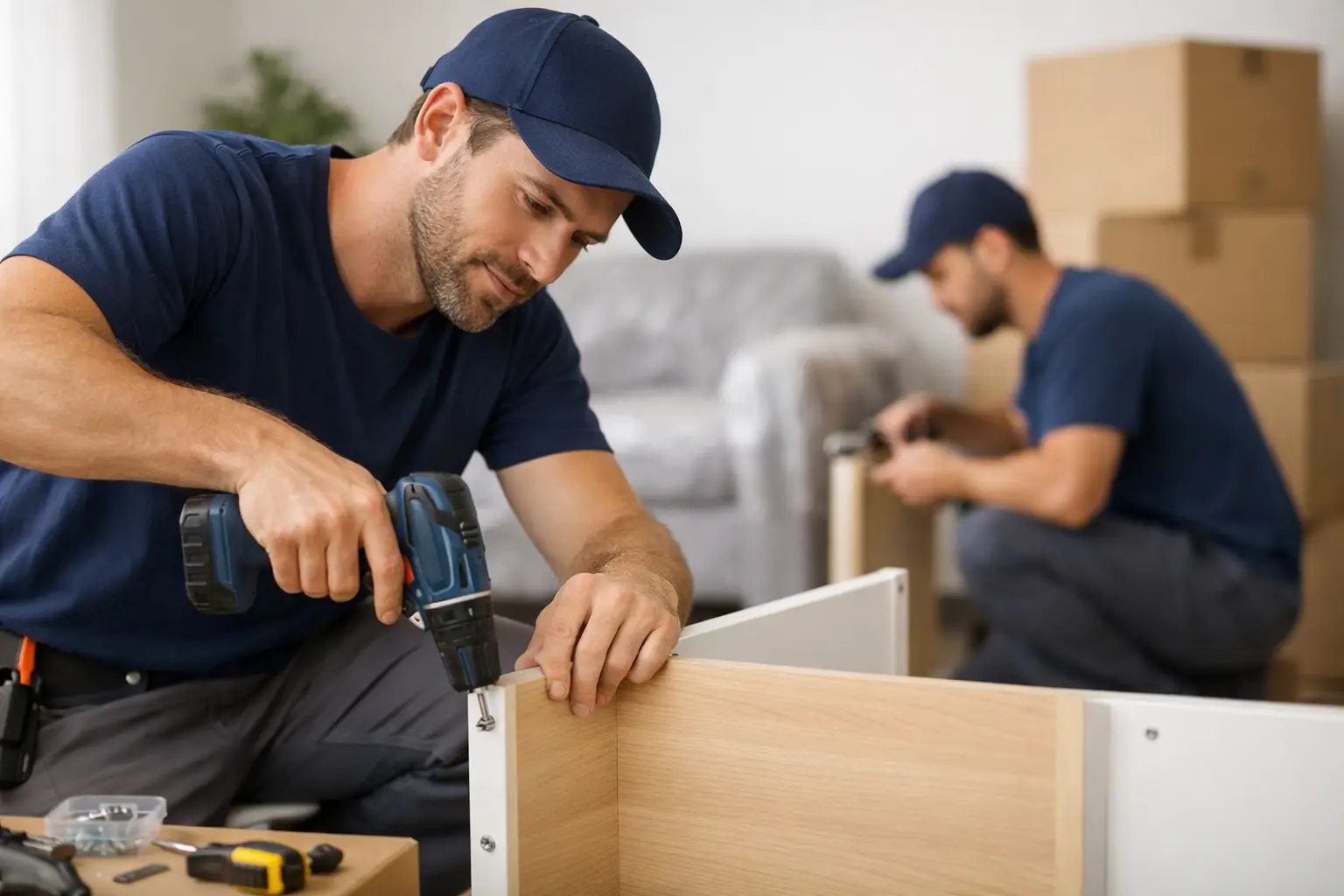
You finally get the keys, the boxes are stacked in the living room, and then reality hits – the bed is still in pieces, the dining table is upside down, and the TV stand somehow has 27 screws left on the floor. At that point, it is completely fair to ask: can movers assemble furniture too? In many cases, yes. But the real answer depends on the company, the type of furniture, and whether assembly was included in the scope of service from the start.
For homeowners and renters in Austin and Central Texas, this question matters because moving day rarely ends when the last box comes inside. The real work often starts after the truck is unloaded. If you can hire one reliable team to move, place, and assemble your items correctly, the whole process feels a lot more manageable.
Can movers assemble furniture too during a move?
Some movers do much more than transportation. They may disassemble furniture before the move, reassemble it at the new home, and help place it where it belongs. Others stick strictly to loading and unloading. That is why it is never safe to assume all moving companies handle furniture assembly the same way.
In practical terms, assembly support usually falls into three categories. Some movers offer basic reassembly for items they had to take apart to complete the move, like bed frames or simple tables. Some provide full furniture assembly as an add-on service, which can include desks, dressers, shelving, entertainment centers, and new-in-box furniture. Others do not assemble furniture at all and may even state that clearly in their service terms.
The difference matters because not all furniture is simple. A metal bed frame is one thing. A large modular sectional, bunk bed, office workstation, or nursery set takes more time, more care, and usually more experience. If you need more than basic setup, it helps to book a team that handles both moving labor and assembly intentionally, not as a favor at the end of a long day.
Why this matters more than people expect
Furniture assembly sounds like a small detail until you are tired, on a deadline, and sleeping on a mattress on the floor because the bed never got put back together. A move is already disruptive. The more tasks you can bundle into one visit, the less time you lose trying to coordinate multiple providers.
There is also a damage question. When furniture is assembled incorrectly, the risk goes up fast. Wobbly legs, stripped hardware, misaligned drawer slides, and overtightened fasteners can shorten the life of the piece. If wall-mounted items or heavy furniture are involved, poor setup can become a safety issue, especially in homes with children or pets.
That is why many customers prefer a one-call option. Instead of juggling a mover, a handyman, and a separate assembly company, they want one dependable team that can handle the physical work from start to finish with care and accountability.
What furniture movers can usually assemble
If a company offers assembly, the most common items include bed frames, dining tables, desks, bookshelves, dressers with detachable components, office chairs, TV stands, and patio furniture. These are the pieces people often need functional right away.
Some providers also assemble brand-new furniture that arrives flat-packed from a retailer. That can be a huge time-saver if your move overlaps with deliveries for a new apartment or home. Instead of spending your first weekend decoding diagrams and hunting for the right Allen key, you can have the space set up correctly and move on with your life.
Still, there are limits. Very large custom-built pieces, antique furniture, highly specialized installations, or anything requiring electrical or structural modification may fall outside standard moving or assembly services. The same goes for items that are already damaged, missing hardware, or poorly labeled after a previous disassembly.
What to ask before you book
If you are wondering whether movers can assemble furniture too, the best answer comes from asking the right questions before move day. Start with whether assembly is part of the moving package or a separate service. Then ask which specific pieces they will assemble, whether they bring tools, and how long the work is expected to take.
It also helps to clarify whether the team will disassemble furniture at the old place and reassemble it at the new one, or only handle one side of that process. Some customers assume both are included and find out too late that reassembly was not scheduled.
Ask about protection as well. A reliable provider should be clear about technician vetting, care standards, and what happens if something goes wrong. When people are coming into your home and handling large, valuable items, trust matters just as much as speed.
Finally, ask how placement is handled. Good assembly is not just about putting screws back in. It is about setting the room up in a way that works, placing heavy items safely, and avoiding the need for you to drag furniture around after the team leaves.
The trade-off between general movers and specialized help
There is an it-depends factor here. A traditional moving crew may be perfectly capable of basic bed reassembly and simple furniture setup. If your move is straightforward and you only need a few essentials put back together, that may be enough.
But if your move-in includes multiple rooms of furniture, flat-pack pieces, a mounted TV, or a tight timeline, specialized in-home labor can make a noticeable difference. Teams that regularly handle assembly tend to work faster, spot problems earlier, and complete the setup with more precision.
That is especially helpful for busy professionals, parents, or new residents who do not have spare time to troubleshoot instructions late at night. Paying for expertise often costs less than replacing damaged furniture, patching walls, or spending two weekends finishing the job yourself.
When one team makes the most sense
The biggest advantage of hiring a company that offers moving and assembly is continuity. The same team that carefully loads and unloads your furniture already understands how the pieces were handled, what hardware belongs where, and which items need extra care.
That reduces confusion and cuts out the handoff between separate service providers. It can also make scheduling much easier. Instead of trying to line up a mover for Friday, an assembly pro for Saturday, and a TV mounting appointment next week, you get a more stress-free plan with fewer moving parts.
For customers who want a home to feel functional on day one, this is often the best route. Beds can be rebuilt, desks can be ready for work, and common areas can be set up without dragging the process out.
In Central Texas, companies like Smart Solutions TX are built around that kind of convenience. The value is not just in having strong hands on-site. It is in knowing the team is background-checked, experienced in home setup tasks, and backed by a service guarantee that adds peace of mind.
Signs you should schedule assembly in advance
If any of your furniture must be taken apart to get through doorways, stairwells, or elevators, schedule reassembly ahead of time. The same goes for large beds, nursery furniture, office setups, and anything you need to use immediately after the move.
You should also plan ahead if you recently bought new furniture for the space. Many people assume they will handle it after unpacking, but unpacking tends to take longer than expected. By the time the boxes are open, energy is gone.
Another sign is if you have limited tools, missing instructions, or zero interest in guessing your way through hardware bags. There is no prize for spending your first night in a new place frustrated and surrounded by panels and bolts.
A better way to think about moving day
The old model of moving ends at the front door. The better model gets your home set up so you can actually live in it. That is why the question is not only can movers assemble furniture too. It is whether the company you hire is equipped to make your transition easier from start to finish.
A stress-free move is not just about getting items from point A to point B. It is about having your essentials in place, your furniture assembled correctly, and your home feeling usable without extra hassle. If that is the outcome you want, ask for assembly upfront, confirm the details, and choose a team that treats setup as part of the job, not an afterthought.
When moving day is done right, you are not left staring at loose hardware and instruction booklets. You are already settling in.